From the Mat to the Classroom: How Jiu-Jitsu Improves School Behavior
For parents in Rancho Cucamonga, your child’s success in school is a top priority. You work closely with teachers. You encourage good study habits. You provide a supportive home environment. Yet, many children still struggle. They may have boundless energy. They might find it difficult to sit still or focus. Sometimes, they struggle to control emotions, leading to disruptions.
Kids jiu jitsu in Rancho cucamonga
The Root of the Problem: Unfocused Energy
Modern classrooms demand a lot from children. They must sit still for long periods. They must absorb complex information. They must navigate intricate social dynamics. For a child with high energy, this environment can feel impossible.
This is why many children with behavior challenges act out. They are not trying to be difficult. They have excess energy with no positive outlet. They may struggle to control emotions like frustration or boredom. Their acting out is often a symptom, not the problem itself.
Traditional sports can help. However, they do not always teach the mental discipline required. This is where Brazilian Jiu-Jitsu is unique. It is a physical and mental discipline.
A Positive Channel for Boundless Energy
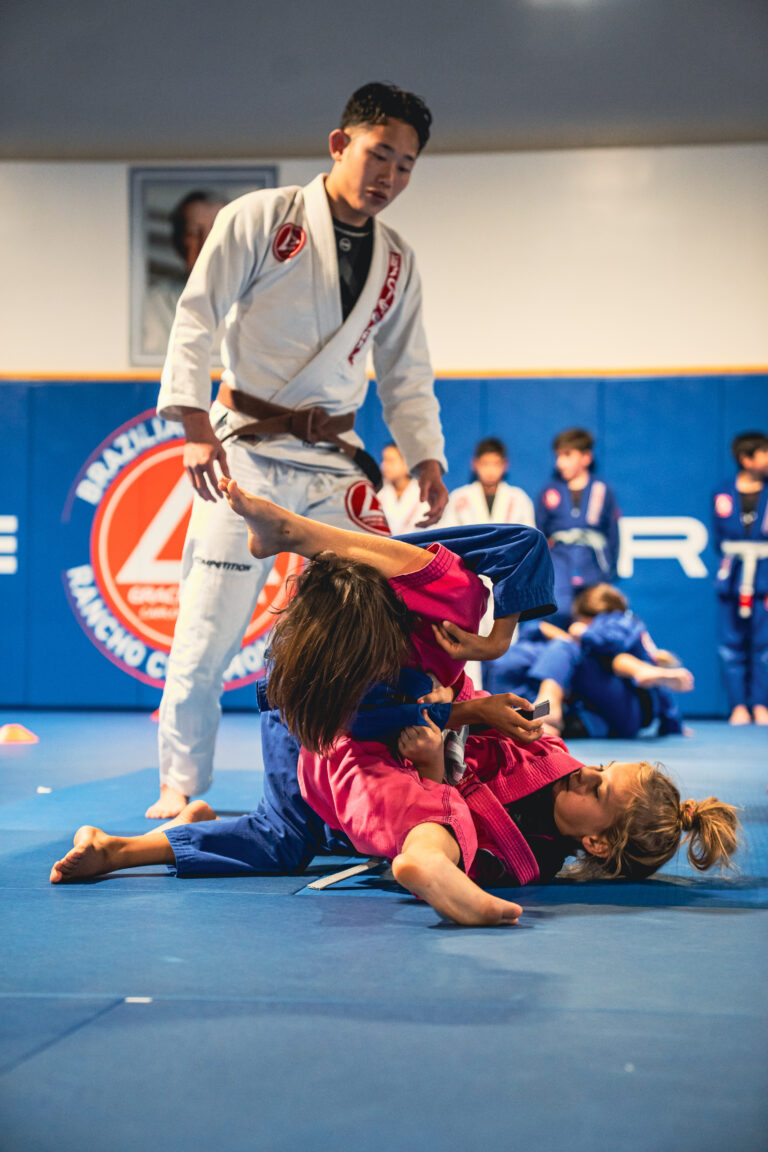
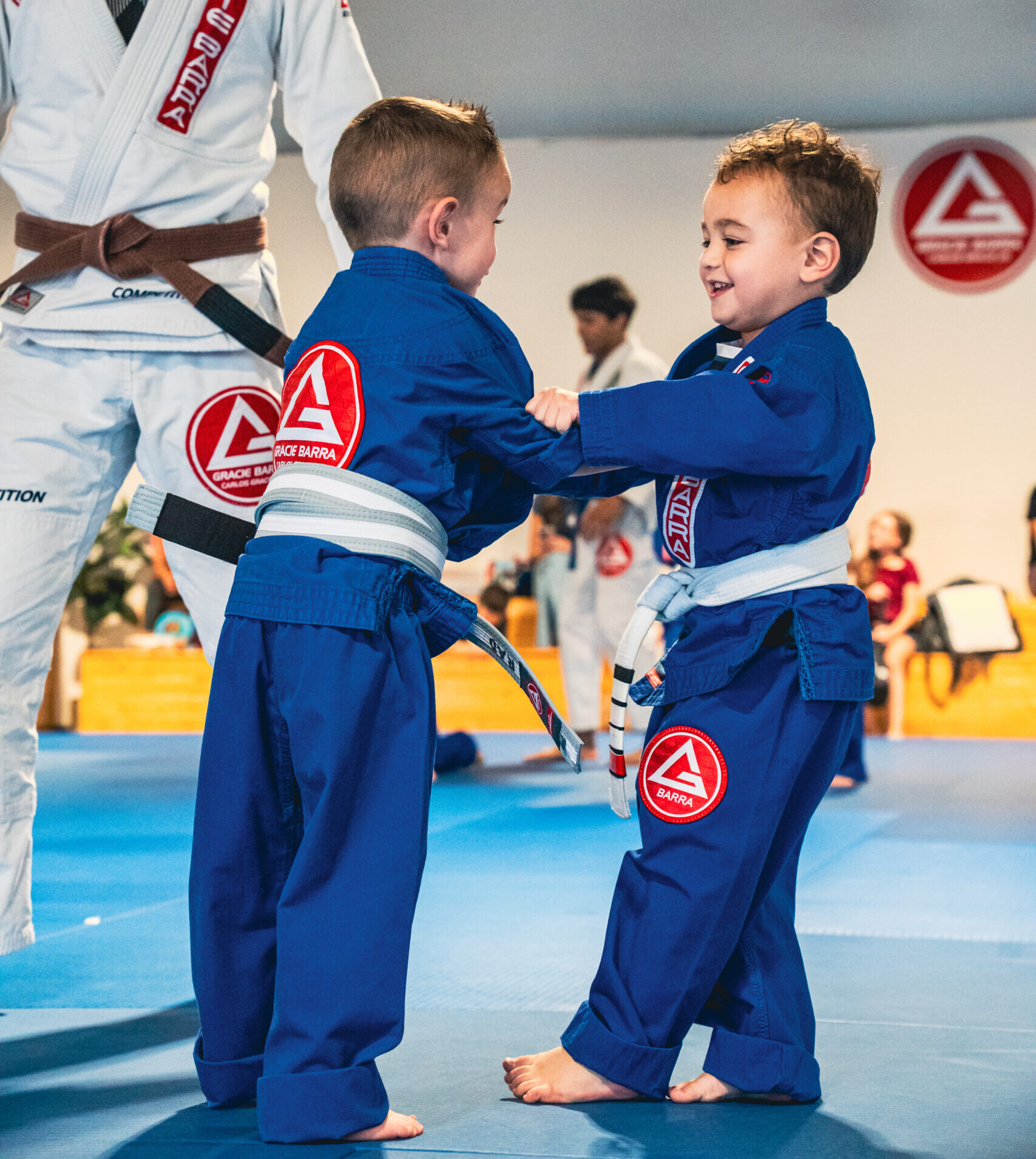
Jiu-Jitsu is the perfect outlet for this energy. Our kids’ martial arts classes are physically demanding. They involve grappling, drills, and active problem-solving. Children get to move, wrestle, and use their strength in a safe, controlled setting.
Through consistent training, Jiu-Jitsu helps them channel that energy in a positive way. After a class at Gracie Barra Rancho Cucamonga, a child is calmer. They have had that crucial physical release. This makes it significantly easier for them to sit still. They can focus better on homework and in class the next day. They are not trying to contain a volcano of energy anymore. They have a healthy outlet for it.
Learning to Listen: The Discipline of Jiu-Jitsu
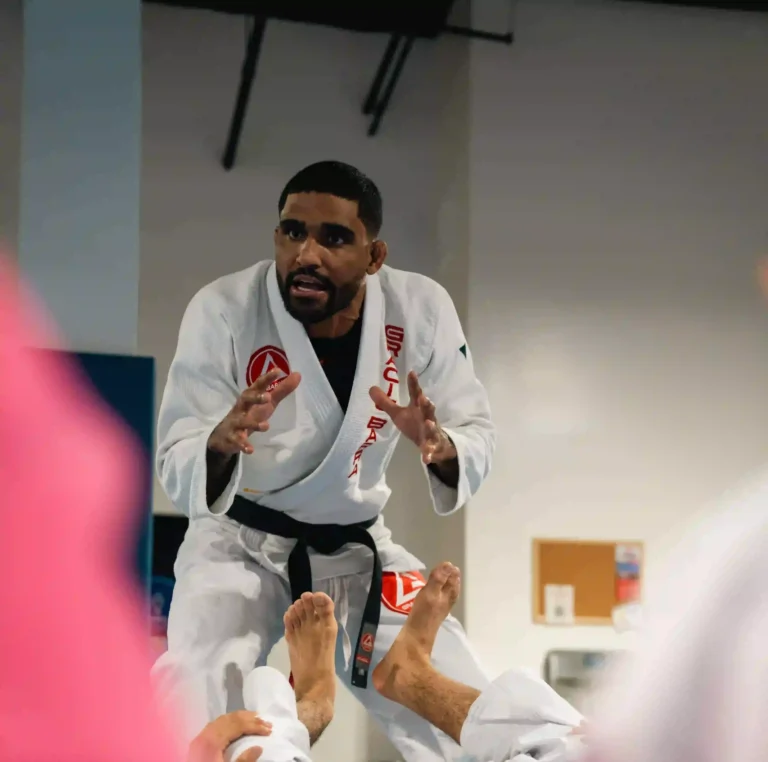
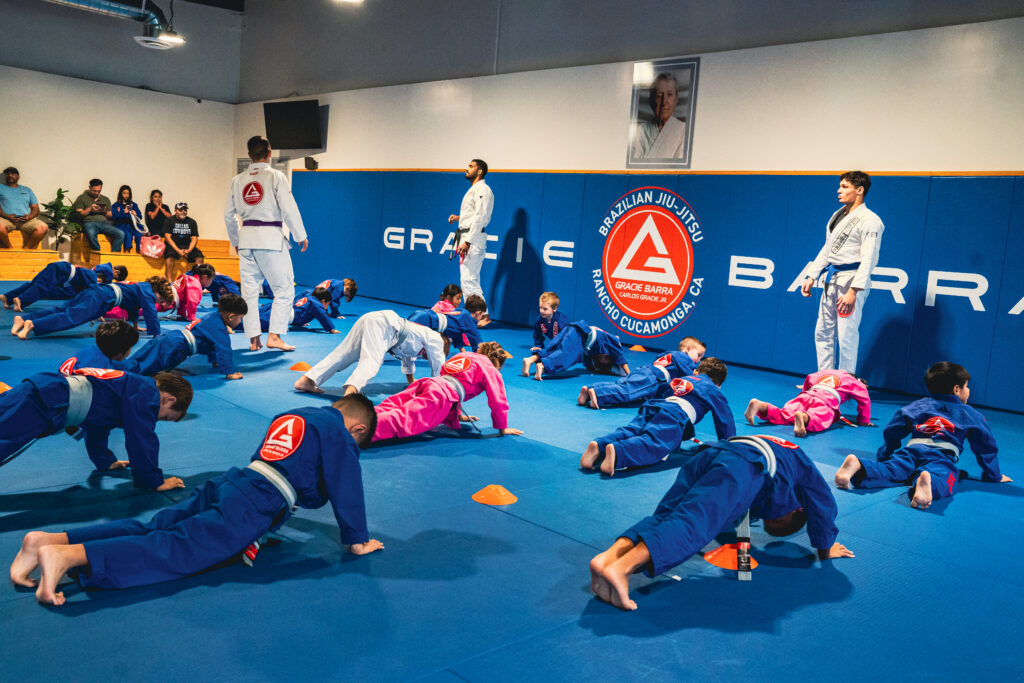
A Jiu-Jitsu class is a masterclass in focus. From the moment a child steps on the mat, they are in a structured environment.
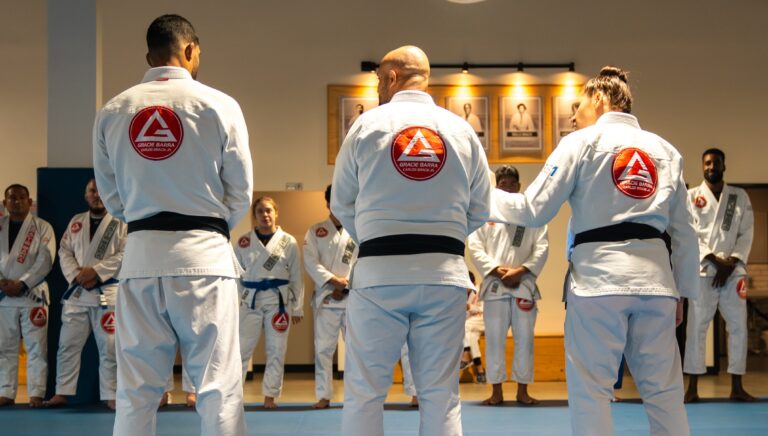
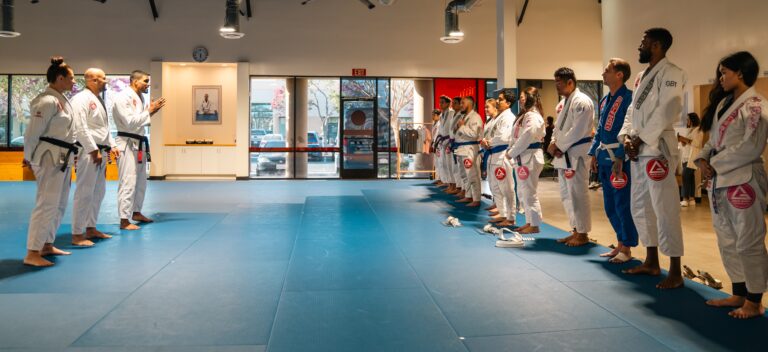
They learn respect: They bow to the mats and to their instructors.
They learn to listen: An instructor demonstrates a technique. The student must watch and listen carefully.
They learn to execute: They must then try to replicate the move with a partner.
This three-step process is active learning. It teaches children to follow multi-step instructions. This is a skill that translates directly to the classroom. A child who can listen to a BJJ instructor can also listen to their teacher. They learn to be quiet when someone is speaking. They learn to absorb information and then apply it.
This is not passive learning. It requires their full attention. Consequently, their ability to focus sharpens with every single class.
Patience and Emotional Control Under Pressure
Jiu-Jitsu teaches patience in a very real way. A child might struggle to learn a new technique. They must have the patience to keep trying. They must have the patience to wait their turn to drill.
More importantly, they learn emotional control during live training (sparring). They will be put in difficult positions. Their partner might pass their guard. They might feel frustrated. Jiu-Jitsu teaches them to control that frustration. They learn to stay calm, think clearly, and solve the problem. They cannot just give up or have a tantrum. They must learn to manage their emotions to succeed.
This is a critical life skill. A child who can manage frustration on the mat can manage frustration in the classroom. They are less likely to act out when a math problem is hard. They are better equipped to handle social conflicts with peers.
The Tangible Rewards: Confidence, Responsibility, and Pride
As children progress in our Rancho Cucamonga jiu-jitsu program, they earn stripes and new belts. These are not just handed out. They are earned through consistent effort, good behavior, and technical improvement.
This system builds a profound sense of pride. A child sees their hard work pay off. This builds real confidence. They know they are capable of achieving difficult goals. This confidence transforms their attitude.
They develop responsibility: They are responsible for their uniform (Gi). They are responsible for their own hygiene. They are responsible for being a good, safe training partner.
They gain a sense of pride: This accomplishment is theirs. It boosts their self-esteem in a way that video games or social media cannot.
They become more confident: A confident child is less likely to seek negative attention. They feel good about themselves. They are more willing to participate positively in class.
Better Behavior and Stronger Relationships
The sum of these parts is a child who behaves better at school. The teacher of a Gracie Barra student often reports a marked difference. They see a child who is more respectful. They see a student who listens. They see a child who tries hard and does not give up easily.
This, in turn, leads to stronger relationships. The child has a better relationship with their teacher. They are no longer in a constant cycle of conflict. They also build better relationships with their peers. They have learned emotional control. They are more patient. They are confident and do not feel the need to bully or show off.
Our Gracie Barra Rancho Cucamonga academy becomes a partner with you. We reinforce the same values of respect and discipline that you teach at home.
Invest in Your Child’s Success
If your child struggles with focus or behavior at school, the solution may not be more tutoring. It may be a lack of the right outlet. Jiu-Jitsu provides the tools they are missing. It gives them the discipline, focus, and emotional control to thrive.
Jiu Jitsu Classes in Rancho Cucamonga
We invite you to visit our academy. Watch a class. See for yourself how our program builds character. Join Gracie Barra Rancho Cucamonga and give your child the skills to succeed in the classroom and in life.