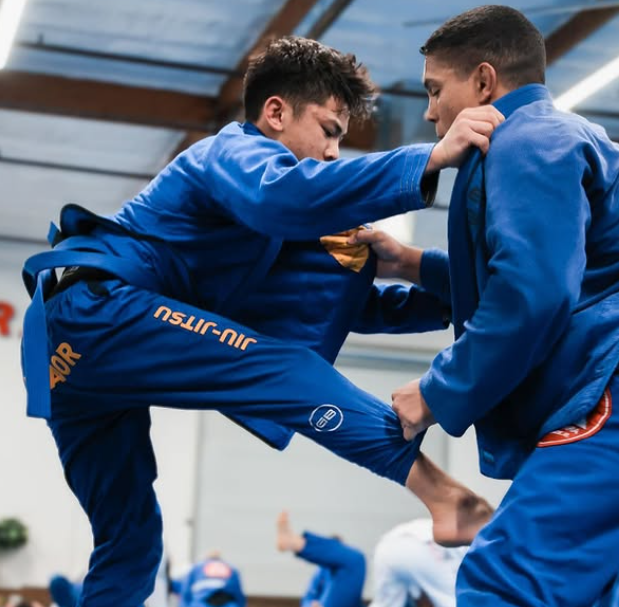
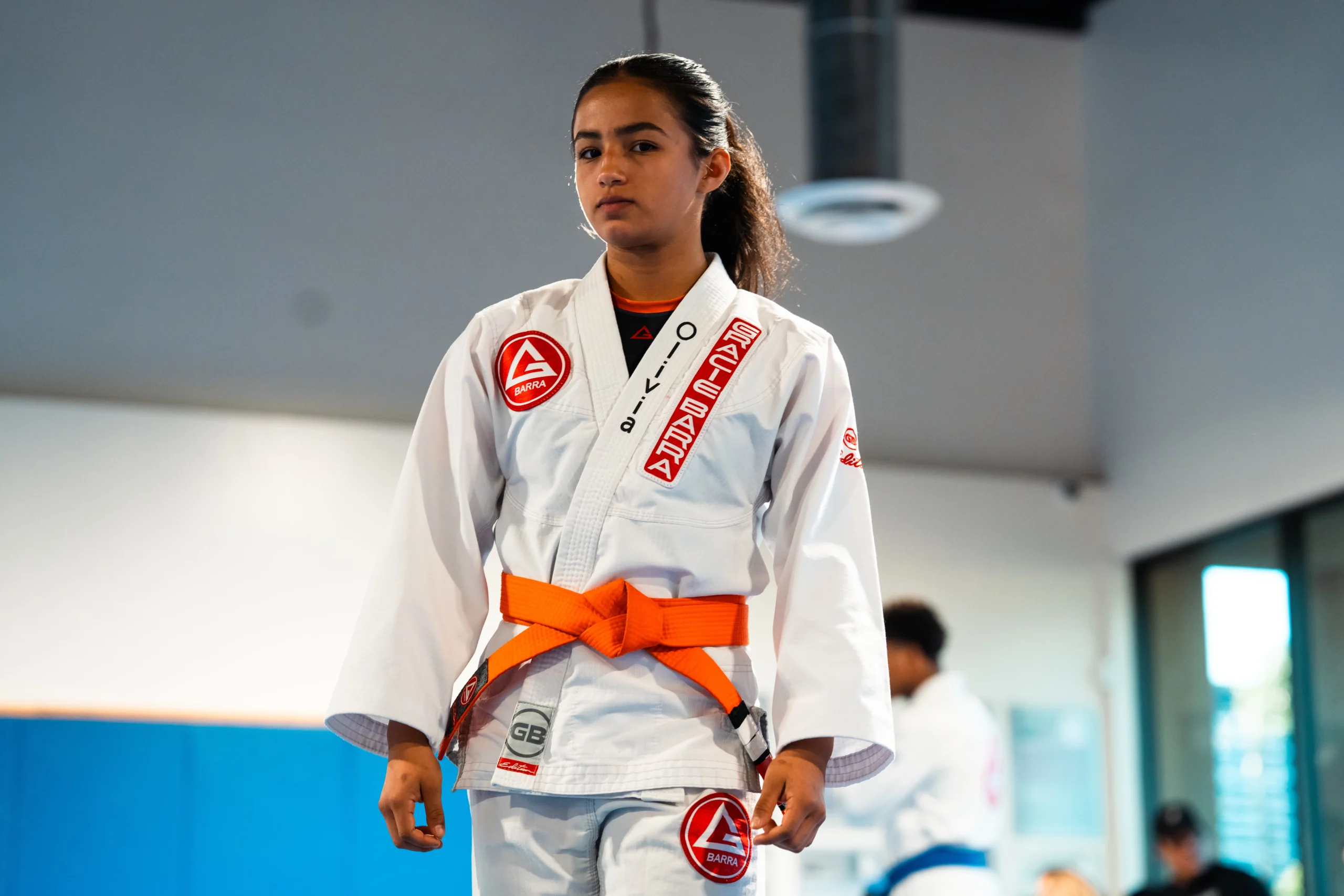
A doctoral thesis with a November 2026 award date at Ulster University examines how Brazilian Jiu-Jitsu relates to young people’s well-being and continued participation. The work brings parents and coaching into the discussion, alongside the physical activity itself.
Researcher Alan Gibson combined a literature review, a study of parents’ beliefs and an eight-week BJJ investigation involving participants aged 11 to 20. The university’s research record reports greater improvements in psychological well-being in the BJJ group than in a waiting control group.
BJJ research also examines what keeps young people involved
The thesis concludes that “parental influence and coaching style may play an important role in sustaining participation in martial arts.” That places family support alongside coaching in the discussion of why young people continue training.
Parents’ accounts in the research associated participation with fitness and self-confidence. Those accounts describe perceived benefits; they are different from independently measured changes or proof that every young participant will have the same experience.
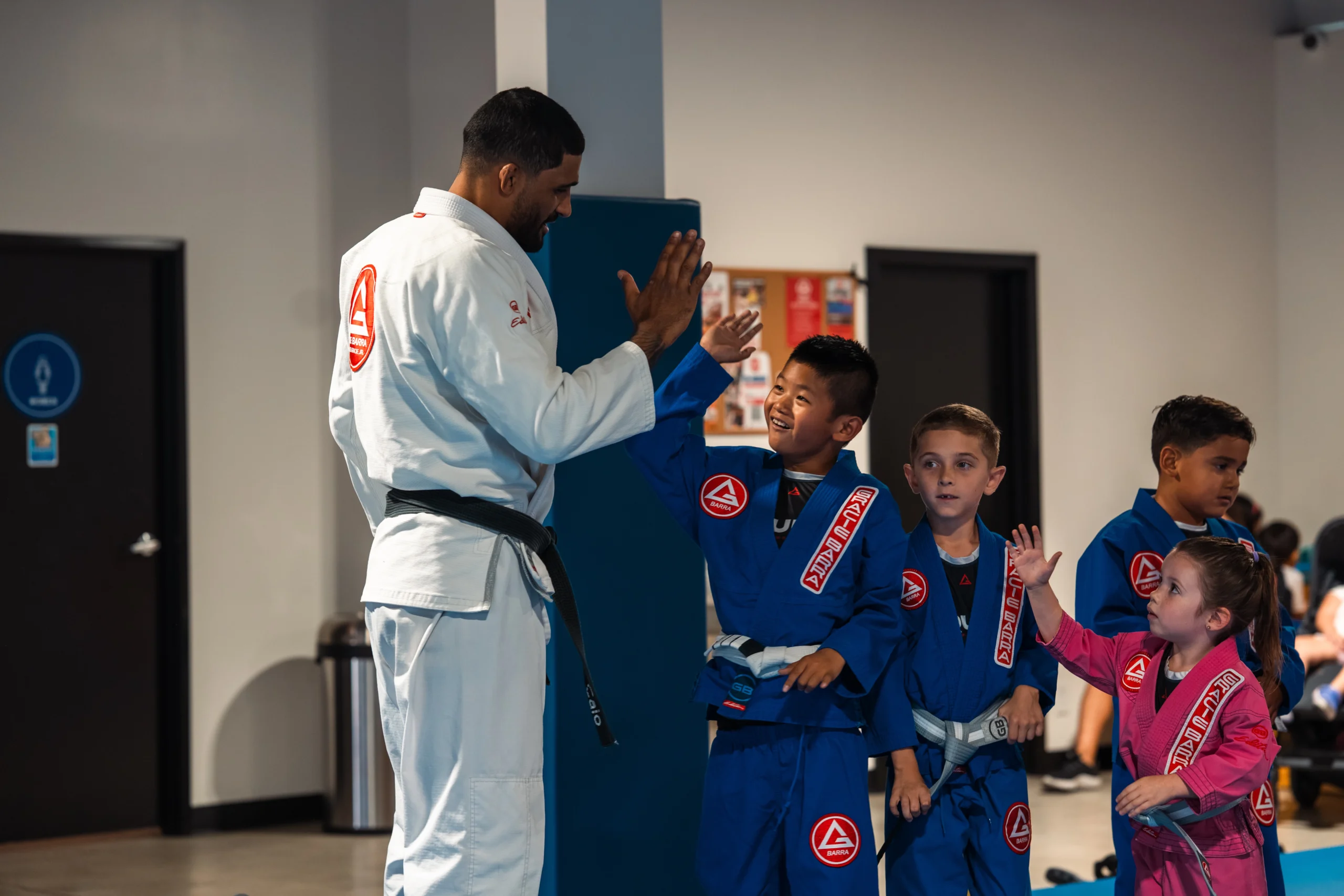
Youth programs give the findings a local context
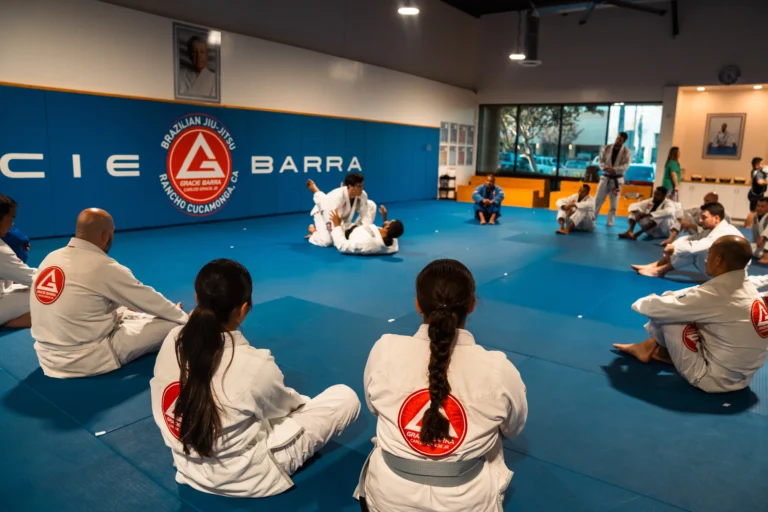
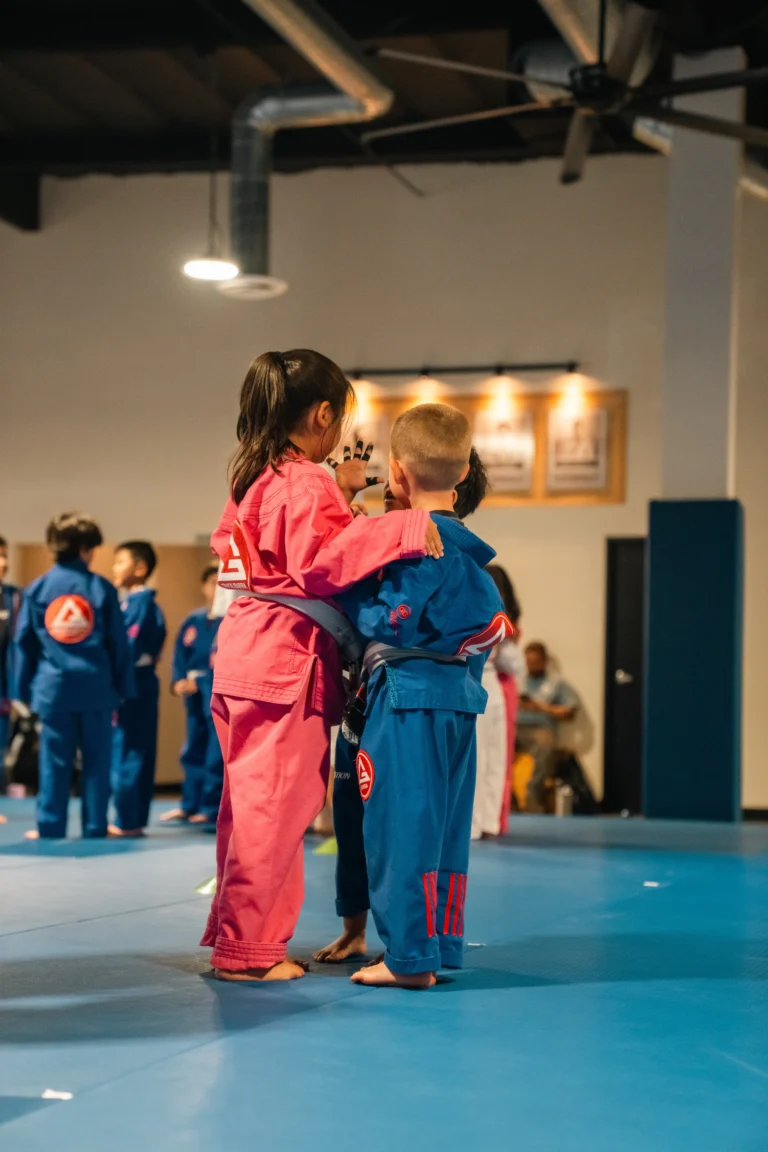
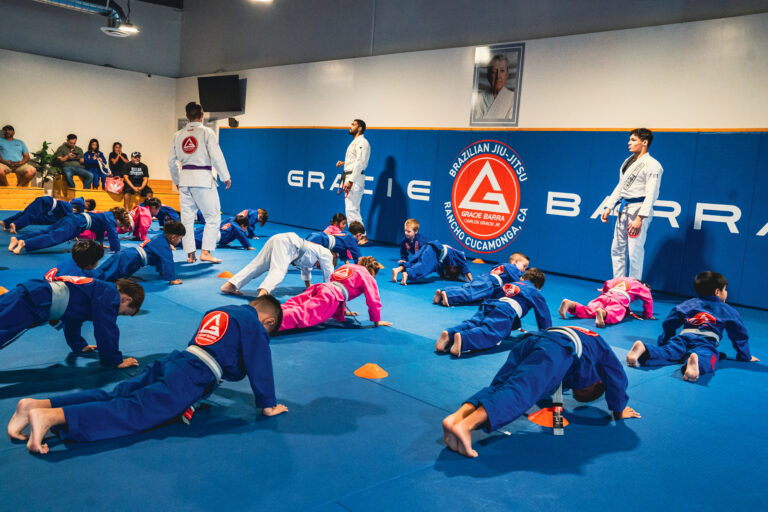
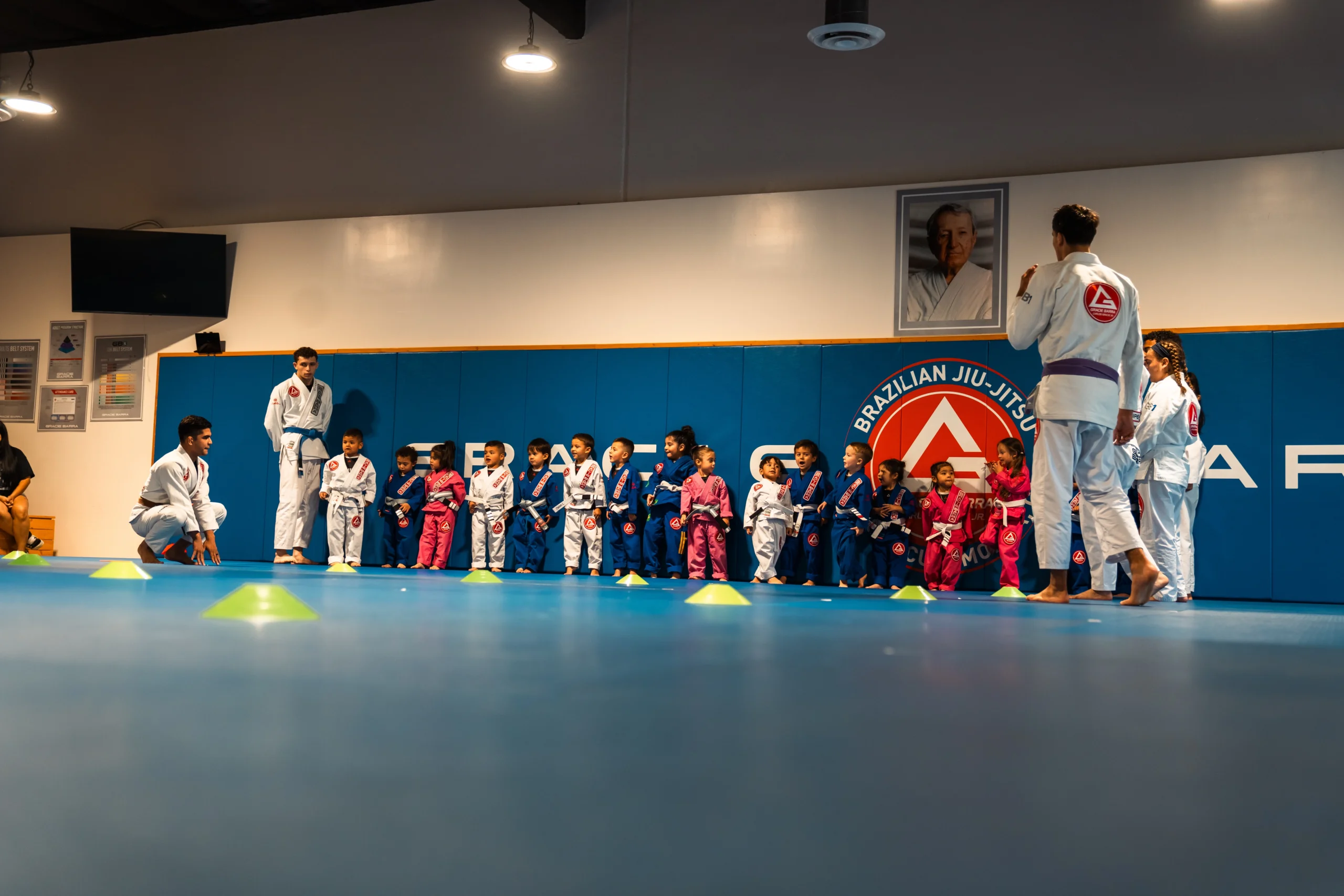
In Rancho Cucamonga, Gracie Barra lists Jiu-Jitsu programs for children and teens. The school identifies confidence, resilience and a welcoming learning environment among its aims in its published description of its approach.
That makes participation and the experience of instruction relevant subjects for local families considering youth training. The Ulster work did not evaluate Gracie Barra Rancho Cucamonga, and the school’s stated aims are not results from the study.
Early findings leave questions about long-term effects
The university lists Gibson’s work as a doctoral thesis. Its findings do not establish how the same program would perform across different schools or over a longer period.
A separate review accepted by Frontiers in Psychology on November 20 illustrates the wider uncertainty. It examined martial arts and executive function in young people and rated the evidence as very low certainty, despite a positive pooled estimate. Its final formatted version was still forthcoming when checked.
Gibson calls for future studies to gather more of young people’s own perspectives and include participants from a wider range of backgrounds. Longer follow-up would also be needed to examine how experiences develop beyond a short training program.
Within those limits, the BJJ group’s reported improvement in well-being offers an encouraging finding for further research. The thesis also gives family support and coaching a place in that conversation, keeping attention on how young people experience training and what may help them stay involved.