Navigating the Youth Martial Arts Experience
When your child starts Jiu-Jitsu, it is natural to wonder how they will get on. Will they enjoy class? Make friends? Keep trying when something feels difficult? For families in Rancho Cucamonga, supporting that journey starts with giving children time to learn, rather than expecting quick results.
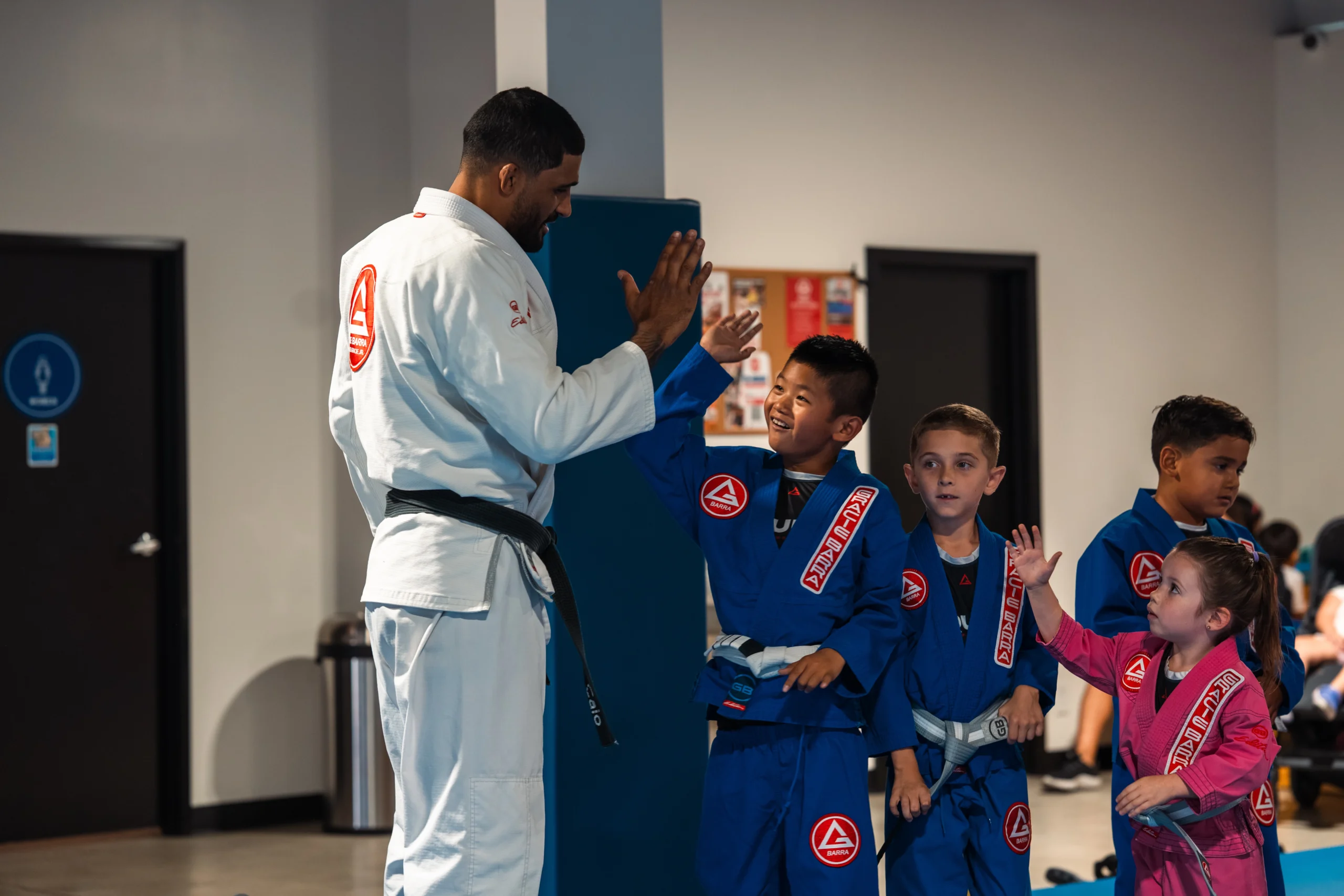
Your encouragement matters before, during, and after class. At Gracie Barra Rancho Cucamonga, you can support your child’s learning by taking an interest in what they enjoy, noticing their effort, and giving them room to make mistakes.
DISCOVER Gracie Barra Rancho Cucamonga
CLICK HEREEssential Mindsets for Supporting Your Child’s Jiu-Jitsu Journey
Children notice how adults respond to both success and disappointment. Showing interest in their experience, rather than focusing only on results, helps make training something you can talk about openly at home.
Emphasizing Effort Over Winning Matches
Winning a match can be exciting, but it is only one part of learning Jiu-Jitsu. Listening to an instruction, trying an unfamiliar movement, or returning to practice after a difficult class are also moments worth recognizing.
Keep praise specific and sincere. You might say, ‘I noticed you kept trying,’ or, ‘You were a thoughtful partner today.’ This gives your child something meaningful to feel proud of, even when a round does not go their way.
Normalizing Mat Struggles and Setbacks
Some classes will feel easier than others. Your child may struggle to remember a movement, feel tired, or become frustrated with a practice round. A difficult day does not mean they are doing badly or that training is not for them.
Listen before trying to fix the problem. A simple, ‘That sounds frustrating. Do you want to tell me about it?’ can make space for an honest conversation. If the same concern keeps coming up, discuss it with the instructor.
Reframing Belt Promotions as Milestones Rather Than Goals
A new belt or stripe is a moment to celebrate, but it does not need to become a deadline. Questions about when the next promotion will happen can draw attention away from what your child is learning in each class.
Notice progress between promotions, too. Your child might feel more comfortable with a partner, follow instructions more easily, or need less encouragement to join an activity. Let the instructor guide decisions about rank while you support the learning along the way.
Cultivating Patience with Skill Acquisition
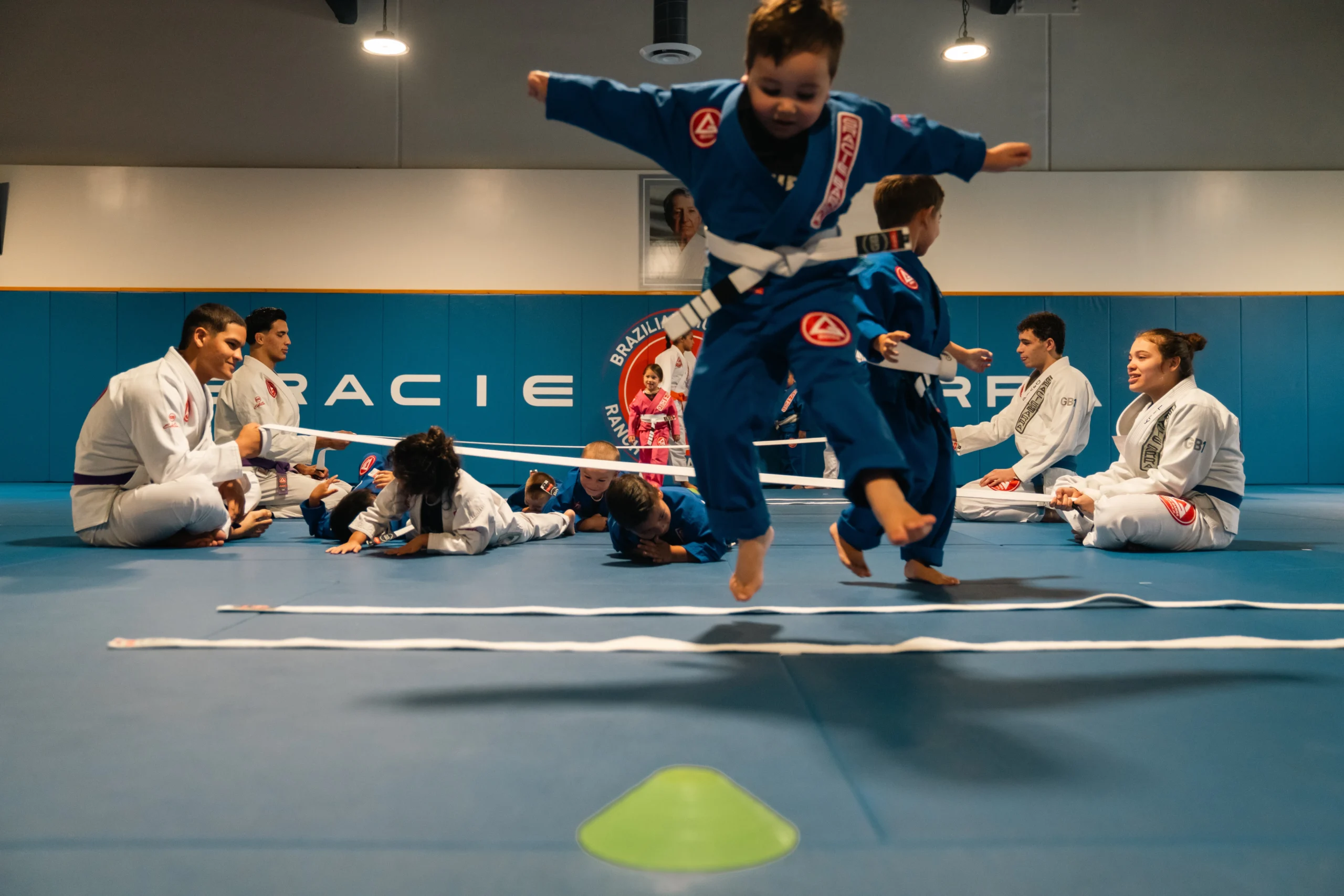
Learning new movements takes repetition. A child may understand an explanation and still need plenty of practice before the movement feels familiar. Try to give them that time without expecting every attempt to look polished.
Comparisons with teammates rarely tell the whole story. Children have different experience, interests, and ways of learning. Looking at your child’s own progress makes it easier to appreciate small changes that might otherwise go unnoticed.
Communication Strategies That Empower Young Athletes
How you talk about class can shape whether your child feels comfortable sharing their experience. A curious question and a willingness to listen are often more helpful than a detailed review of everything they could improve.
Asking Constructive Questions on the Car Ride Home
Give your child a chance to settle after training. When they are ready to talk, try asking, ‘What was fun today?’ or, ‘Did you learn anything new?’ There is no need to turn every drive home into a discussion about performance.
Some children want to tell you everything; others need a little quiet. Follow their lead. Showing that you are available to listen can mean more than asking a long list of questions while they are still tired from class.
Avoiding Unhelpful Sideline Coaching During Class
It can be tempting to call out advice when you see your child struggling. During class, though, another set of instructions can make it harder for them to hear and follow the instructor.
Let the coaching team lead the lesson and save questions for a suitable time afterward. You can still show support with your attention and a smile, without feeling that you need to coach each movement from the sidelines.
Celebrating Small Technical Breakthroughs
Progress is not always obvious from the benches. Remembering part of a movement, asking for help, or working patiently with a partner can all be signs that your child is becoming more comfortable in class.
When you notice one of those moments, mention it without making it a big performance review. ‘You looked pleased when you worked that out’ invites your child to share their own sense of progress.
Fostering Independence and Long-Term Engagement
Children can take more responsibility for training as they grow. Giving them small choices and manageable tasks helps them feel involved, while you continue to provide the support and structure they need.
Allowing Kids to Own Their Training Commitment
Choose tasks that suit your child’s age. They might help pack their bag, put their Gi in the laundry, or check which days they have class. You can guide them at first and hand over more responsibility as they become ready.
These routines do not need to be perfect. The point is to involve your child in preparing for something that belongs to them. A simple checklist or a shared reminder may be enough to make getting ready less stressful.
Supporting Children Through Plateaus and Motivation Dips
Interest in training can change from week to week. If your child seems reluctant, ask what has changed before deciding whether they need encouragement, an adjustment to their routine, or a conversation with the instructor.
Take their answers seriously. A busy school week, a friendship concern, or difficulty with an activity may each call for a different response. Working through the concern together is more useful than treating every dip in motivation as a lack of commitment.
Building Healthy Habits Around Rest and Consistency
Training needs to fit alongside school, family time, and rest. Choose a schedule your household can manage, with enough room for meals, sleep, and time to relax. A packed calendar can make an enjoyable activity feel like another obligation.
Consistency does not have to mean attending as often as possible. A realistic routine is easier to maintain and adjust when circumstances change. Talk with the coaching team about an approach that fits your child’s needs and your family’s week.
Professional Guidance from the Coaching Team
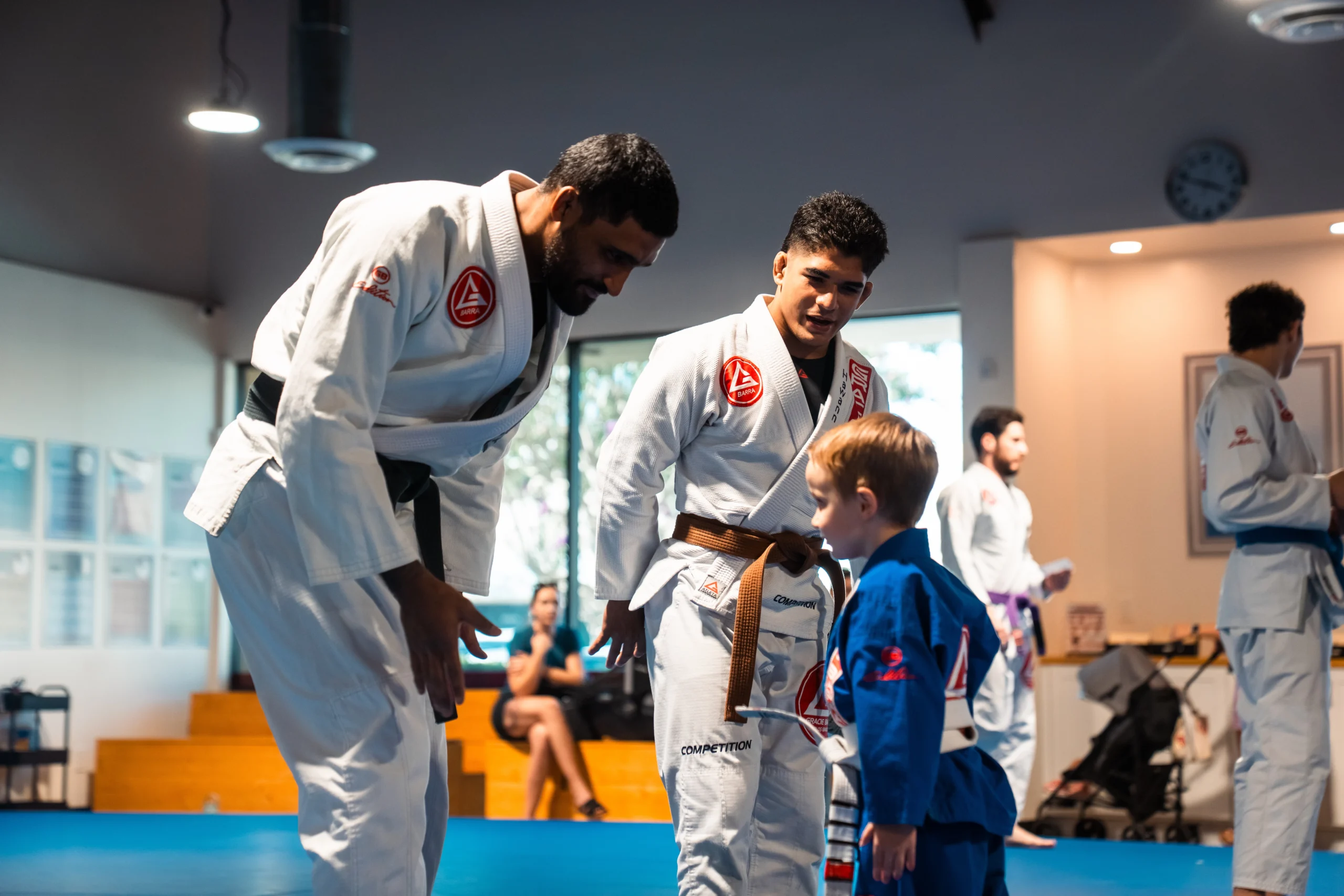
You do not need to solve every training concern yourself. Instructors see your child in a different setting and may notice things that are hard to judge from the sidelines. Sharing observations can help you understand what your child is experiencing.
At Gracie Barra Rancho Cucamonga, speak with the coaching team if your child seems discouraged, confused, or unsure about class. Explain what you have noticed, ask for their perspective, and agree on a practical way to support the next step.
Daily Practices for Encouraging Resilient Young Practitioners
Support often comes through ordinary habits: arriving without a last-minute rush, listening after a difficult class, and noticing when your child treats a partner kindly. These moments keep the focus on learning and character, not just results.
You will not always know exactly what to say, and that is okay. A calm response, an honest question, and a willingness to listen can help your child feel supported while they work through a challenge.
DISCOVER Gracie Barra Rancho Cucamonga
CLICK HERECultivating Character for Life Beyond the Mats
Supporting your child’s Jiu-Jitsu journey does not mean making every class easy. It means helping them feel valued while they learn, struggle, improve, and discover what they enjoy. Patience gives those experiences room to happen without turning each one into a test.
For families in Rancho Cucamonga, that support can start with a small change: ask what your child enjoyed, recognize an effort you noticed, or check in with the instructor. You do not need to have all the answers to take an interest in their journey.